Why You Should Hire an Interior Designer BEFORE Your Contractor
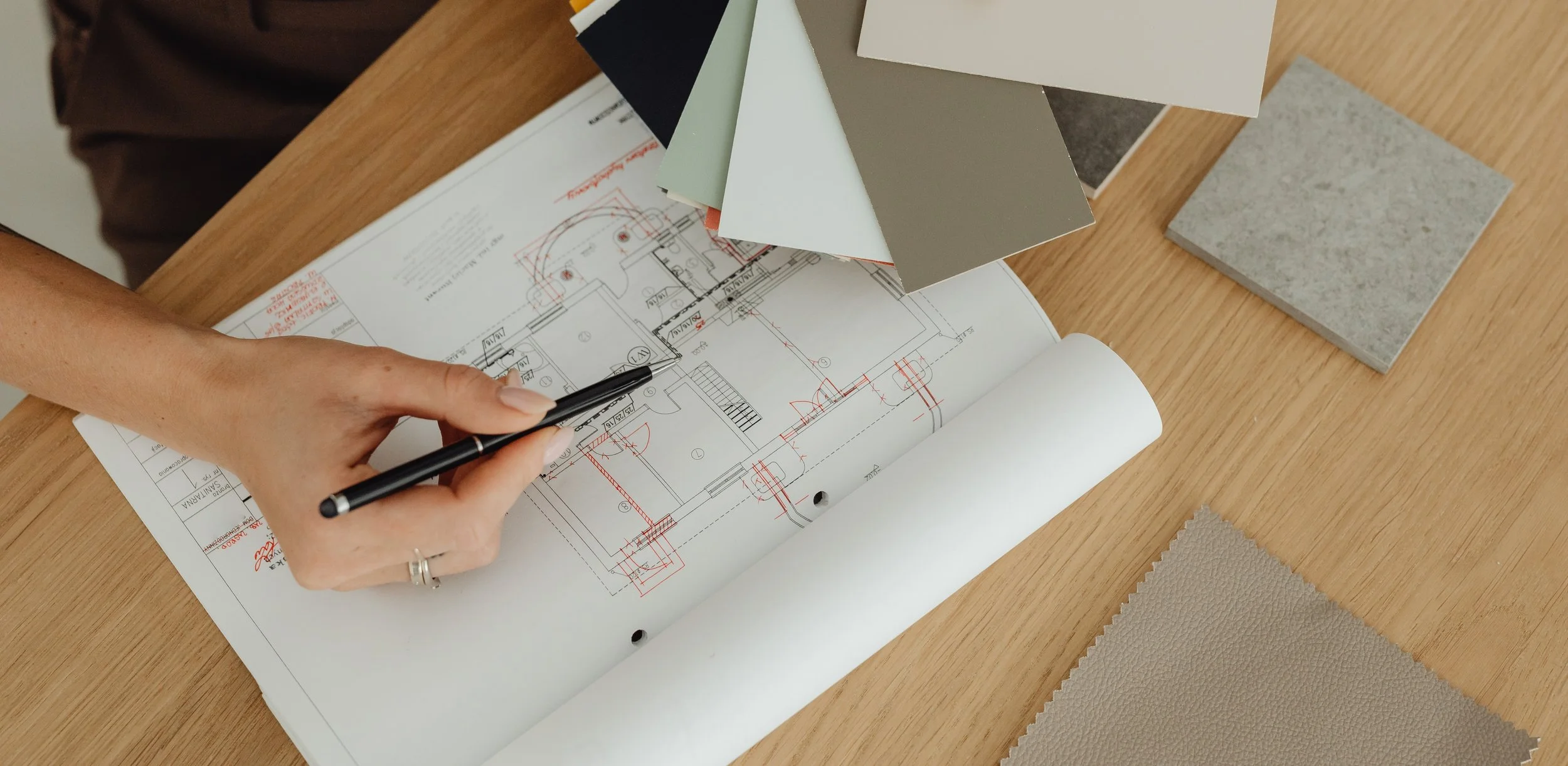
Written by Margaret Nubuor
Founder & Interior Designer, Nubuor Designs
Hiring an interior designer before your contractor is one of the most smartest decisions you can make for a renovation, and one of the most consistently overlooked. Most homeowners think the sequence goes: find a contractor, start demo, then bring in a designer to pick finishes and furniture. By the time that designer arrives, the layout is locked, the opportunities are gone, and the budget surprises are already baked in.
Here is why the order matters, and why design should always come first.
This post is the starting point for our series on navigating the construction bidding process. Continue with with the rest of the series:
1. How to Read and Compare Contractor Bids
2. Why Your Designer Should Set Your Renovation Allowances
3. What to Ask a Contractor Before You Sign
4. Pre-Construction: What It Is and Why It Matter
1. You'll Get Accurate Bids (Not Guesstimates)
Here's what typically happens when you hire a contractor first: you walk them through your space, describe what you want in general terms, and ask for a bid. "We want to renovate the kitchen. New cabinets, new counters, new floors. Can you give us a price?"
Now contractor has to estimate. They don't know what kind of tile you want, whether you're doing stock cabinets or custom, painted finish or white oak, if you want a simple tile or stone slab backplash. So they throw out a number based on averages and assumptions, and they give you "allowances" for materials.
And then reality hits.
You fall in love with a gorgeous marble countertop. The tile you want costs three times the allowance. The cabinet style you've been dreaming about isn't what the contractor priced. Suddenly, your $50,000 kitchen is actually $75,000, and you're either scrambling to find the extra money somewhere else in the project, or making compromises you didn't plan for.
Now imagine this instead: You hire a designer first. Together, you select every finish, every fixture, and comb through every detail before the contractor enters the picture. When you go out for bids, the contractors are price a complete, specified project and you can compare them apple-to-apples. They all know exactly what tile you want, where it goes, what size, what pattern. They know the cabinet specs, the countertop material, the plumbing fixtures, the lighting style.
The result? Accurate pricing. No surprises. No awkward conversations about budget overruns three months into construction.
2. The Layout Will Actually Work for How You Live
Contractors are great at building things. They know structure, they understand code, they can frame walls and run plumbing. But here's what they're not trained to do: think deeply about how you'll actually use each space.
A designer asks questions like:
Where do you naturally set your keys when you walk in?
Do you need a place to charge devices in the kitchen?
Will your family actually use a formal dining room, or would that space be better as something else?
How many people typically cook in your kitchen at once?
Do you host a lot?
Where does mail pile up?
Do plan to get a pet in the future?
Do you work from home and need a dedicated office space?
These aren't nice-to-have considerations. They're the difference between a house that looks good and a home that actually functions for the way to live your life.
We’ve seen too many finished renovations where people say, "I wish we'd put an outlet there" or "This island looked bigger in the plans" or "We should have made the pantry deeper." All of those things could have been caught and fixed on paper, before a single wall was moved.
When a designer is involved early, they're thinking about traffic flow, furniture placement, daily routines, and all the small details that make a space work. They'll catch the things you might not think about until it's too late to change them.
3. A Good Designer Will Save You Money (No, Really)
We get it - hiring a designer feels like an added expense. But here's the reality: a good designer will actually save you money in the long run, and often pay for themselves through the value they bring.
Here's how:
Avoiding expensive mistakes - Ever bought a sofa that didn't fit through the door? Ordered tile that arrived and looked nothing like it did online? Painted a room only to realize you hate it? Designers help you avoid costly errors by using samples, and getting it right the first time.
Better contractor bids - When you go with detailed plans, specifications, and finish schedules from a designer, you get accurate pricing and fewer change orders.
Smarter material choices – Designers know which products are worth the splurge and where you can save without sacrificing quality. They'll steer you toward durable, timeless choices instead of trendy picks you'll regret in two years.
Time is money – How much is your time worth? Designing a home involves thousands of minute decisions, endless research, coordinating multiple vendors, and managing logistics. A designer handles all of that so you don't have to.
Long-term value – A well-designed home doesn't just look good—it functions better, feels more comfortable, and holds its value. Whether you're staying forever or selling eventually, good design is an investment.
Bottom line: Yes, hiring a designer costs money upfront. But when you factor in the mistakes avoided, the time saved, the overall result, and potential profit should sell your home, it's almost always worth it.
4. Your Designer Speaks "Contractor"
Construction has its own language. If you've ever tried to read a set of blueprints or decipher a contractor's estimate, you know what we mean. There's a lot of terminology, technical details, and industry shorthand that can feel overwhelming if you're not in the field.
Here's where having a designer from the start becomes invaluable: they're fluent in both design and construction. They can translate your vision into terms a contractor understands, and translate what the contractor is saying back to you in plain language.
When questions come up during construction (and they will), your designer is there to make decisions that align with the overall design intent. They know why you chose that tile pattern, how the lighting plan is supposed to work, what the cabinet hardware should look like. The contractor doesn't have to guess or call you every time there's a question.
Plus, designers catch things. They'll spot if something is being installed incorrectly, if a finish doesn't match what was specified, if proportions are off. They're your advocate on site, making sure the vision you planned gets executed the way it should.
5. You'll Make Better Decisions Under Less Pressure
Renovations are full of decisions. Hundreds (or thousands) of them. And when you're making those decisions on a contractor's timeline under pressure to keep the project moving, it's easy to choose the path of least resistance instead of the best option.
"The tile you wanted is backordered for six weeks. Can you pick something else by tomorrow?"
"We need to know where you want outlets in the kitchen by the end of the day."
"Do you want the shower niche centered on the wall or offset?"
When you're scrambling to answer questions you didn't even know you'd be asked, mistakes happen. You pick something because you have to, not because it's what you really want.
When you work with a designer first, you're making those decisions thoughtfully, without the pressure of a construction schedule looming. You have time to see samples in your space, compare options, think about how things will actually work in real life. The result is better choices and fewer regrets.
So, What's the Right Order?
If you're planning a renovation, here's how to set yourself up for success:
1. Hire your interior designer first. Develop the full scope together: layouts, finishes, materials, fixtures, and furniture plans. Get everything documented and specified before a contractor sees the project.
2. Use those plans to get contractor bids. Contractors can now give you accurate pricing based on exactly what you want, not guesstimates and allowances.
3. Start construction with everyone on the same page. Your designer and contractor work together, with you in the loop, to bring the plan to life.
4. Let your designer manage the details. They coordinate installations, answer questions on site, and make sure everything is executed as designed.
5. Move into a space that's complete, cohesive, and exactly what you wanted.
The projects that go smoothest, stay on budget, and turn out beautifully are the ones where design came first. You are about to invest significant time, money, and energy into your home. Start with a solid plan.
Nubuor Designs provides interior design services for renovations, working with clients from the earliest stages of planning through final installation, including pre-construction coordination, contractor alignment, and everything in between. If you're looking to start a project and want to set it up for success from day one, let’s talk.