Design Advice Worth Reading
Good design starts with good information, and the more informed you are going into the design process, the better you and your home will be coming out of it. Here we share honest, process-driven advice on interior design, renovation planning, and furnishing your home well. All written from the perspective of a designer with years of first hand experience.
Explore our series on navigating the contractor bidding process, dive into our The Considered Home series for deep dives on the features that set exceptional homes apart, or browse the full blog below.
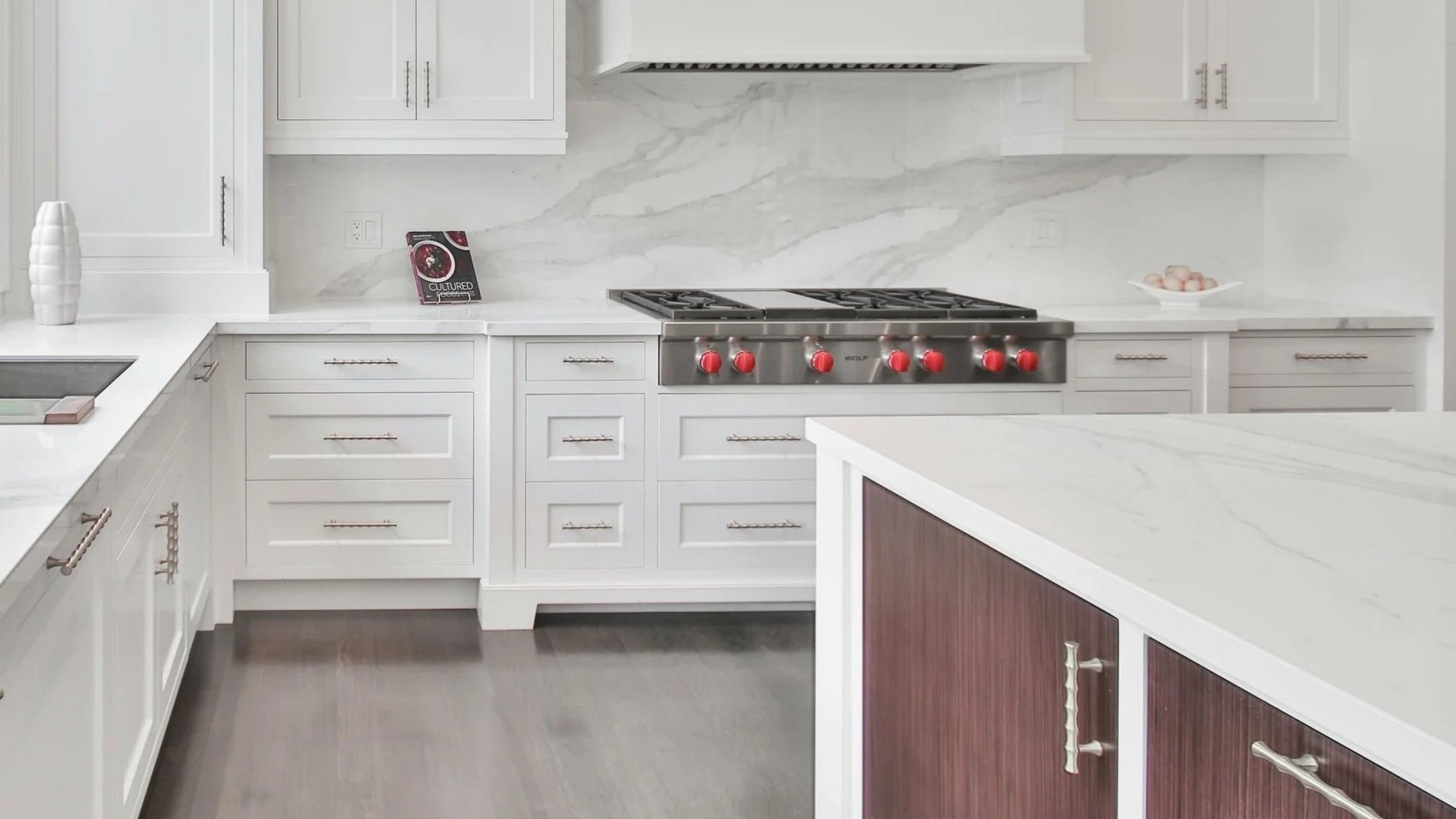
What the Quartz Conversation Is Really About
California is moving to ban quartz countertops, and the conversation it has sparked is worth understanding before your next renovation. The issue is not the finished surface in your home. It is what happens in the fabrication shop before it gets there, and who is affected by it.
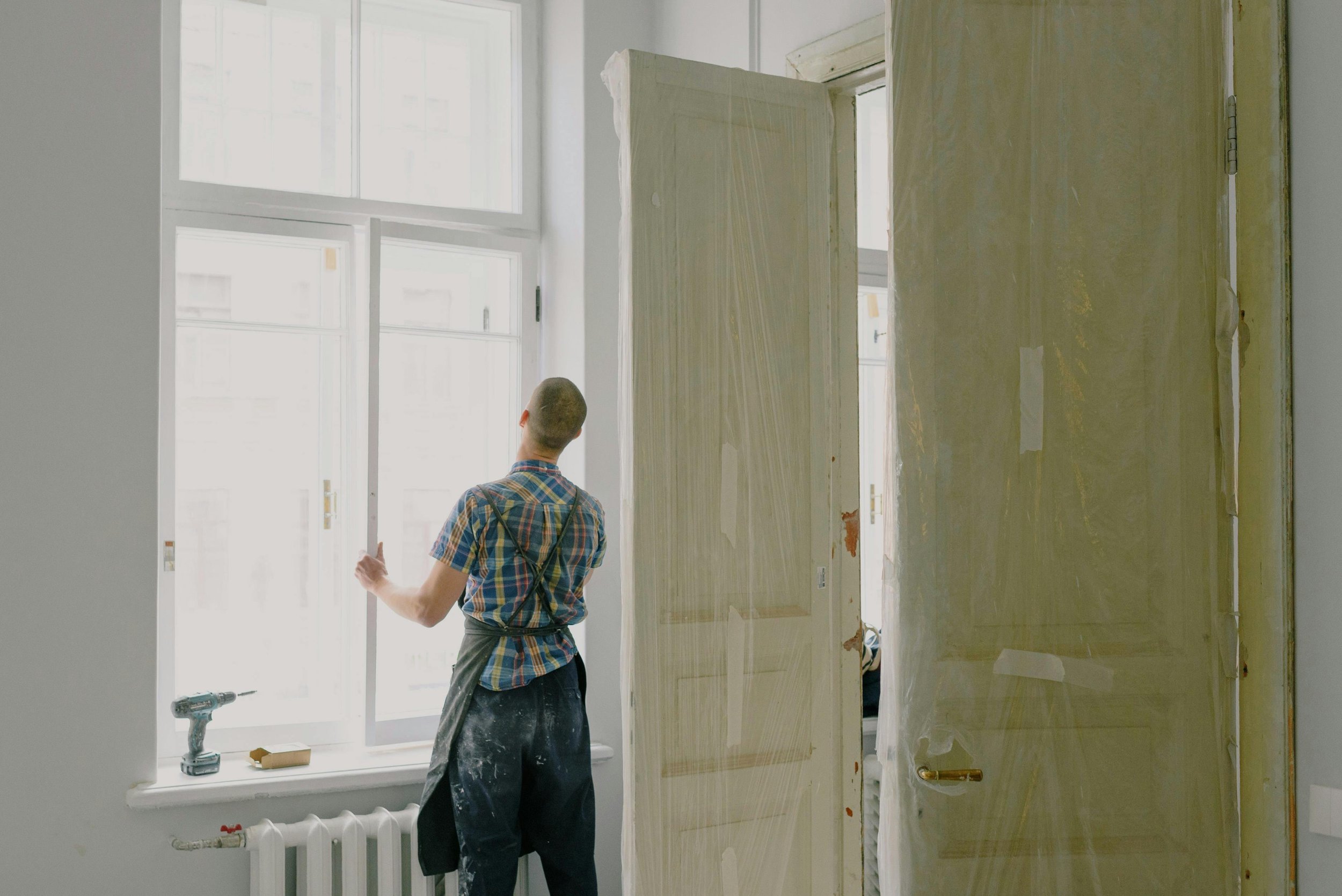
Building the Right Team for Your Renovation
The architect thinks from the outside in, and the interior designer thinks from the inside out. The contractor builds from design plans while sharing expert knowledge and techniques on how to construct a your future home efficiently. When all three team members work collaboratively, they create a home that is structurally sound, beautifully designed, and built exactly as intended.
What Interior Design Is Really About
The first question I ask every new client has nothing to do with style or budget. I ask if there are any pieces of furniture or artwork in their home that hold meaning for them, and whether they would like to find a way to bring those pieces into the new design. I ask it before I propose anything.
Designing Against the Trend
Home design has followed the same trajectory as fast fashion, and the cost has been just as real. A home designed to reflect a moment will always feel the passage of time more acutely than one designed to reflect a person.
So I encourage my clients to stop asking if something is in style, and to start asking if they love it. Those are not the same question, and the difference between them is the difference between a space that feels current and one that feels like home. A home designed around your own eye cannot go out of style because it was never trying to be in style in the first place.
Understanding Interior Designer Markups
Most designers never talk about what it actually cost them to get their pricing right. When Nubuor Designs first opened, we passed our full trade pricing directly to clients. It felt transparent and generous. It was also entirely unsustainable, and it took real financial pain to understand why. Here is what we learned, and what it means for how we price today.