Design Advice Worth Reading
Good design starts with good information, and the more informed you are going into the design process, the better you and your home will be coming out of it. Here we share honest, process-driven advice on interior design, renovation planning, and furnishing your home well. All written from the perspective of a designer with years of first hand experience.
Explore our series on navigating the contractor bidding process, dive into our The Considered Home series for deep dives on the features that set exceptional homes apart, or browse the full blog below.

Building the Right Team for Your Renovation
The architect thinks from the outside in, and the interior designer thinks from the inside out. The contractor builds from design plans while sharing expert knowledge and techniques on how to construct a your future home efficiently. When all three team members work collaboratively, they create a home that is structurally sound, beautifully designed, and built exactly as intended.

Why You Shouldn't Rely on AI to Review Contractor Bids
AI tools can help you get your bearings on an unfamiliar document, flag numbers that seem inconsistent, and surface questions worth asking before your first contractor meeting. What they cannot do is tell you what is missing, evaluate a contractor, or prepare you for a negotiation that determines how the next months of your project will go.
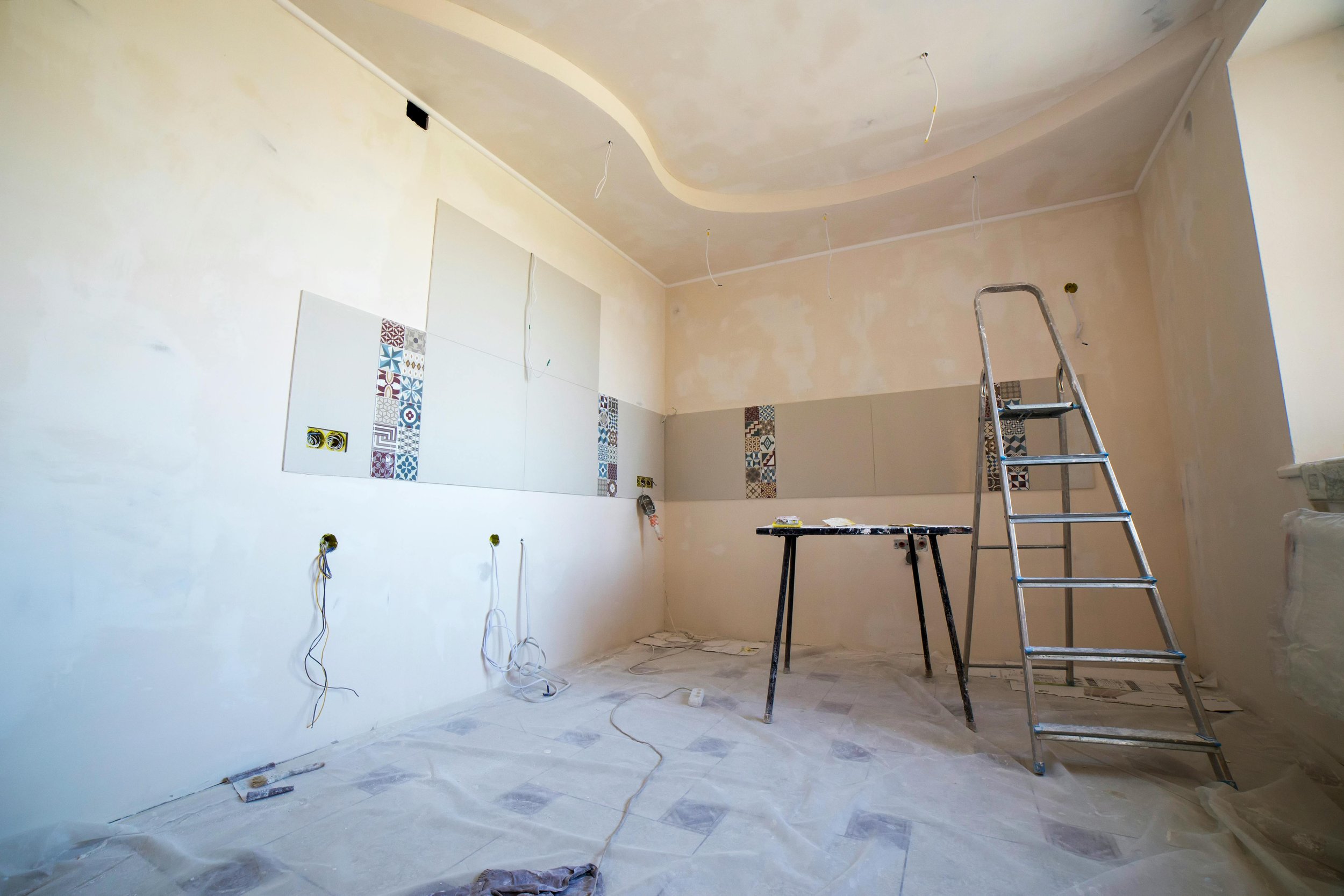
What a Designer Does During Site Visits
Most clients assume that once construction begins, the designer's job is largely done. The selections have been made, the drawings have been issued, and the contractor knows what to build. In practice, a renovation is a live process with field conditions shifts, and trades working from their own plans without always knowing how every design decision affects their scope. What happens on site every week, and who is there to manage it, has a direct bearing on how your renovation turns out.
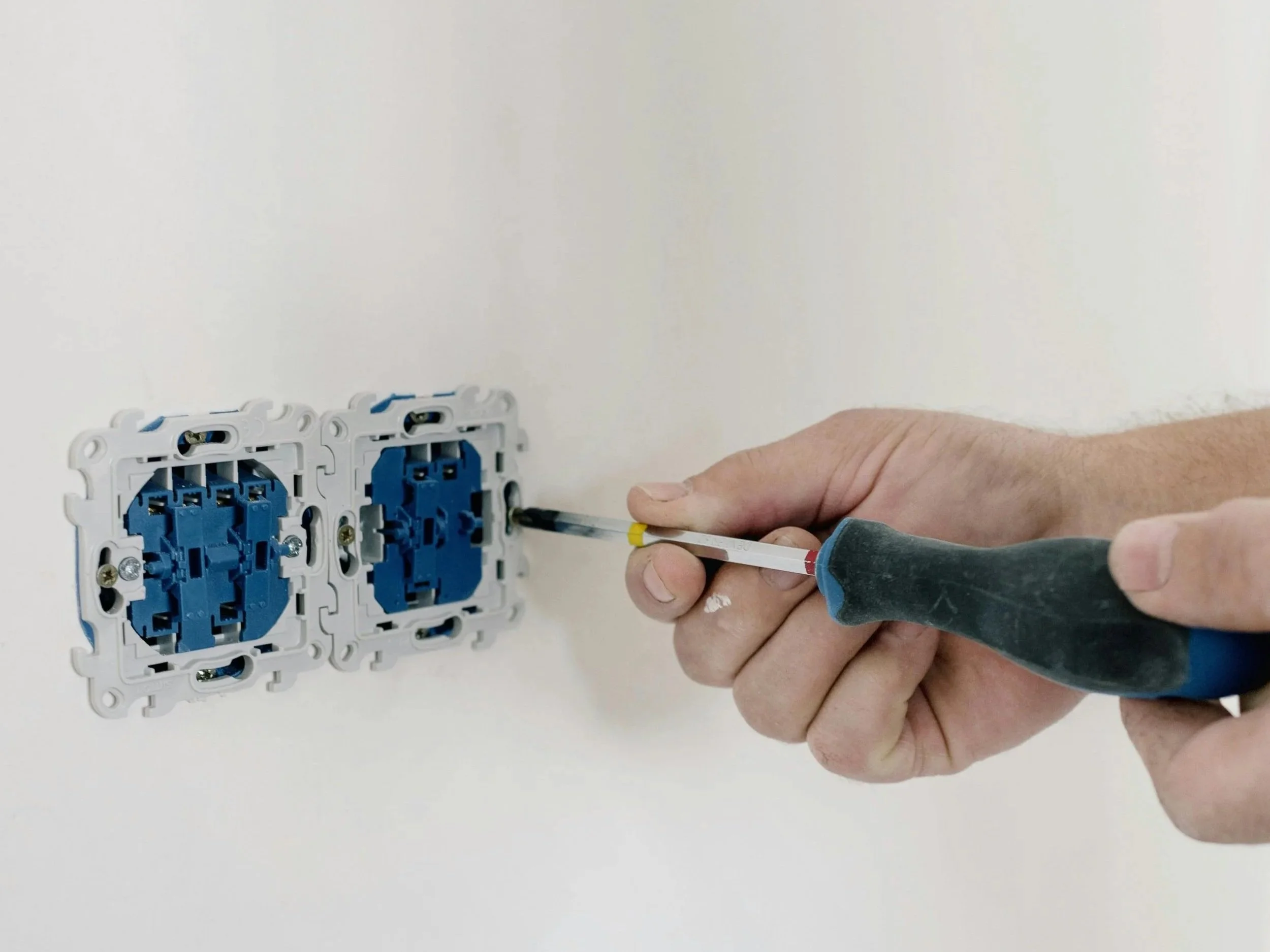
The Electrical Decisions That Shape How Your Home Works
Most renovation clients spend months on the decisions that are visible: tile, cabinetry, countertops. The electrical plan gets addressed in the background, usually when the electrician shows up and starts making decisions on site without a clear brief. It's one of the most consistent oversights in a renovation, and by the time it surfaces as a problem, the walls are often already closed.

What Is Pre-Construction and Why Does It Matter?
Most renovation timelines jump straight from contractor selection to breaking ground. What's missing in between is often the most valuable part of the entire process. Pre-construction is the phase where your design team and contractor sit down together before anyone touches a wall, align on exactly what's being built, and surface every conflict, question, and ambiguity while they're still cheap to resolve. It doesn't get talked about much. It should.